Case Study
Tokens, LandSales and an Online World that Needed Branding

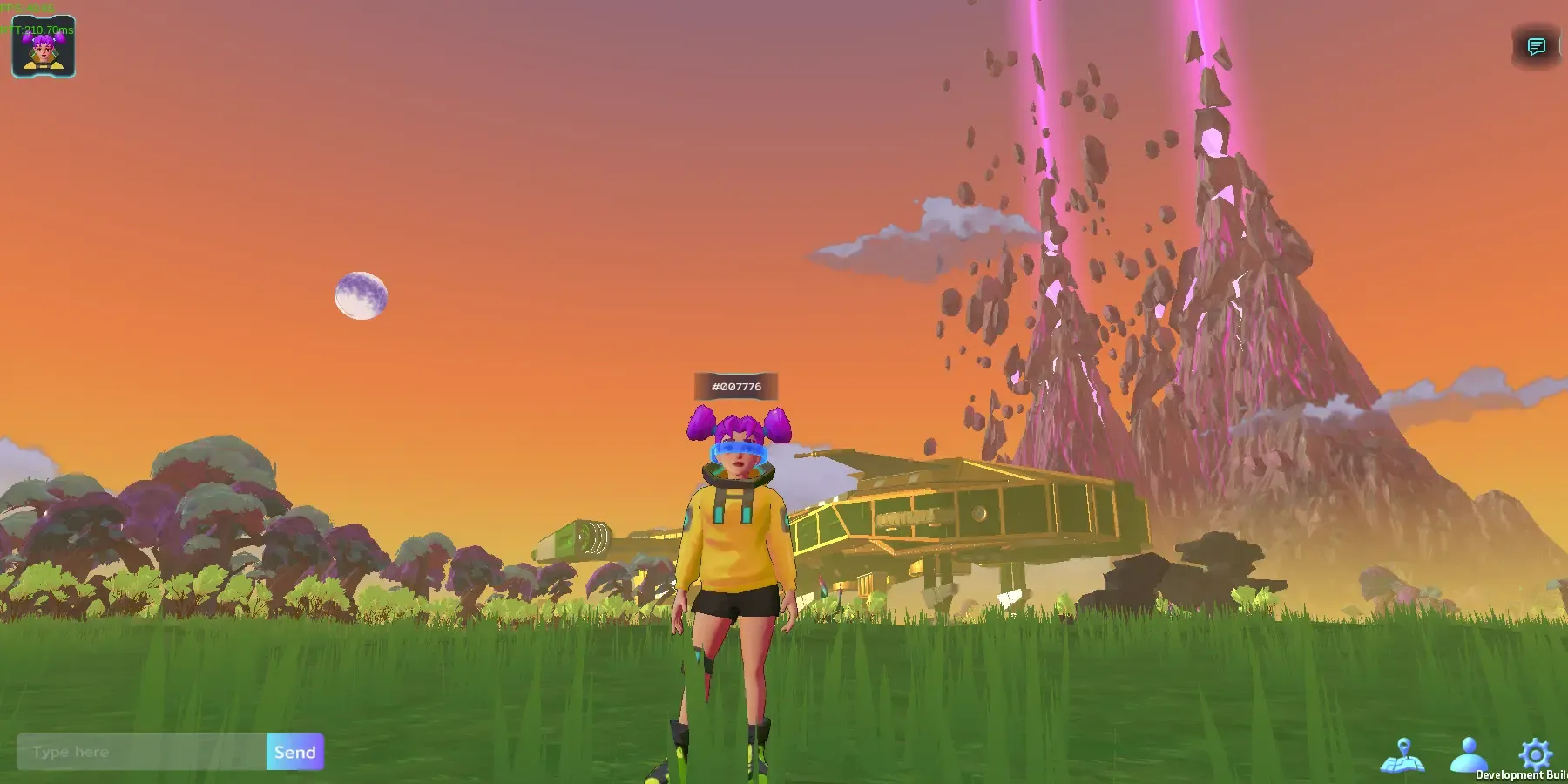
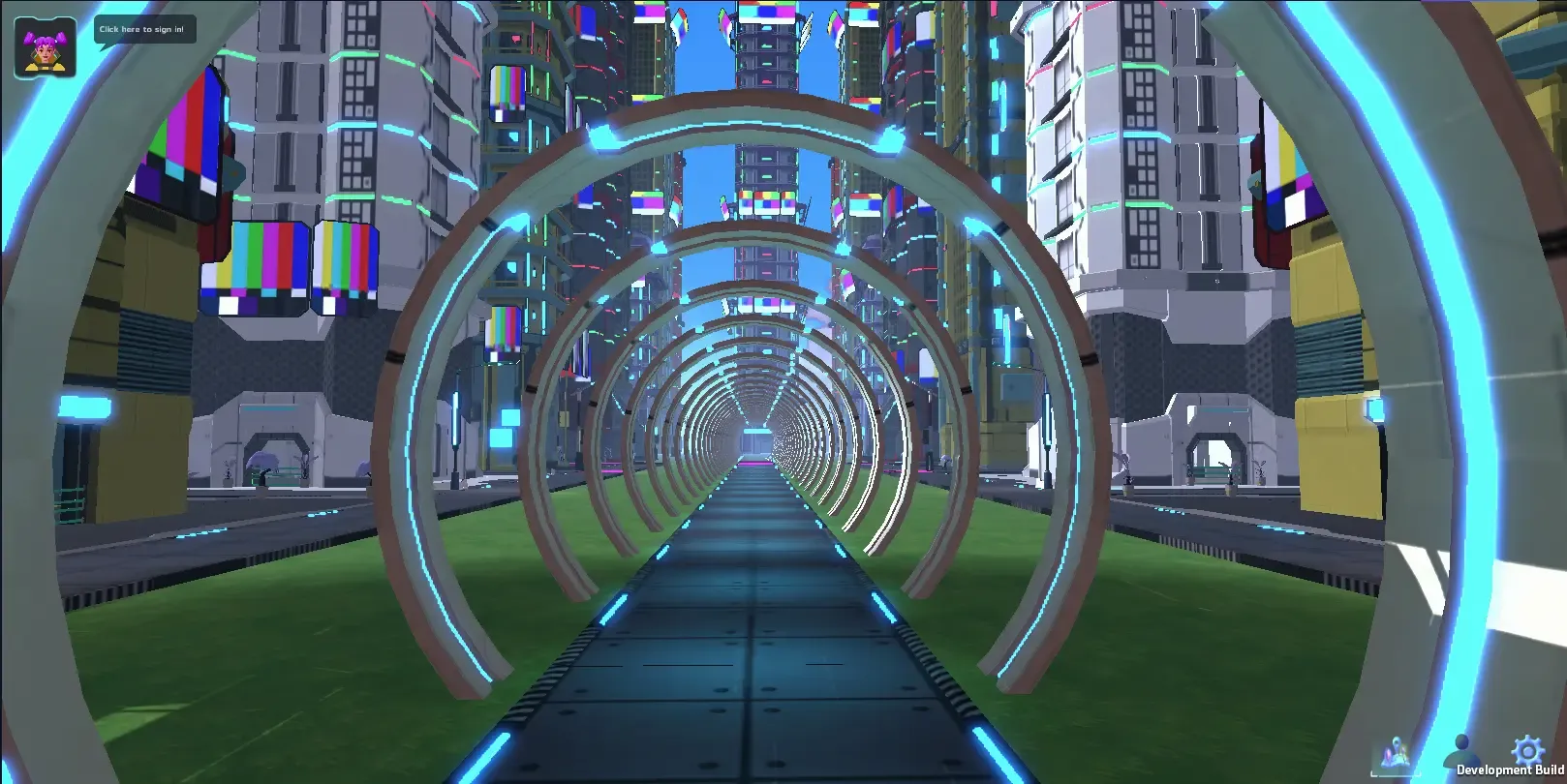
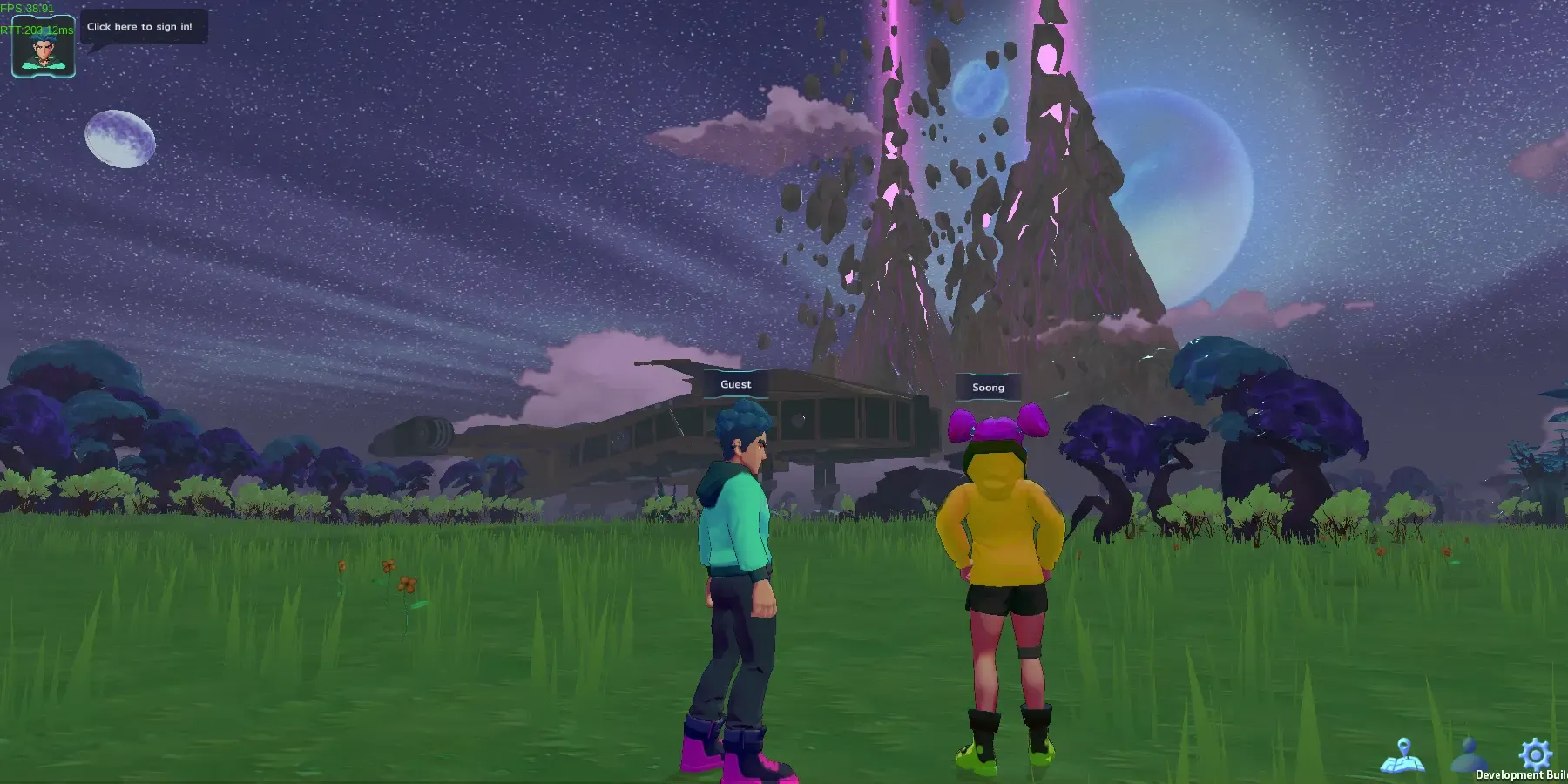
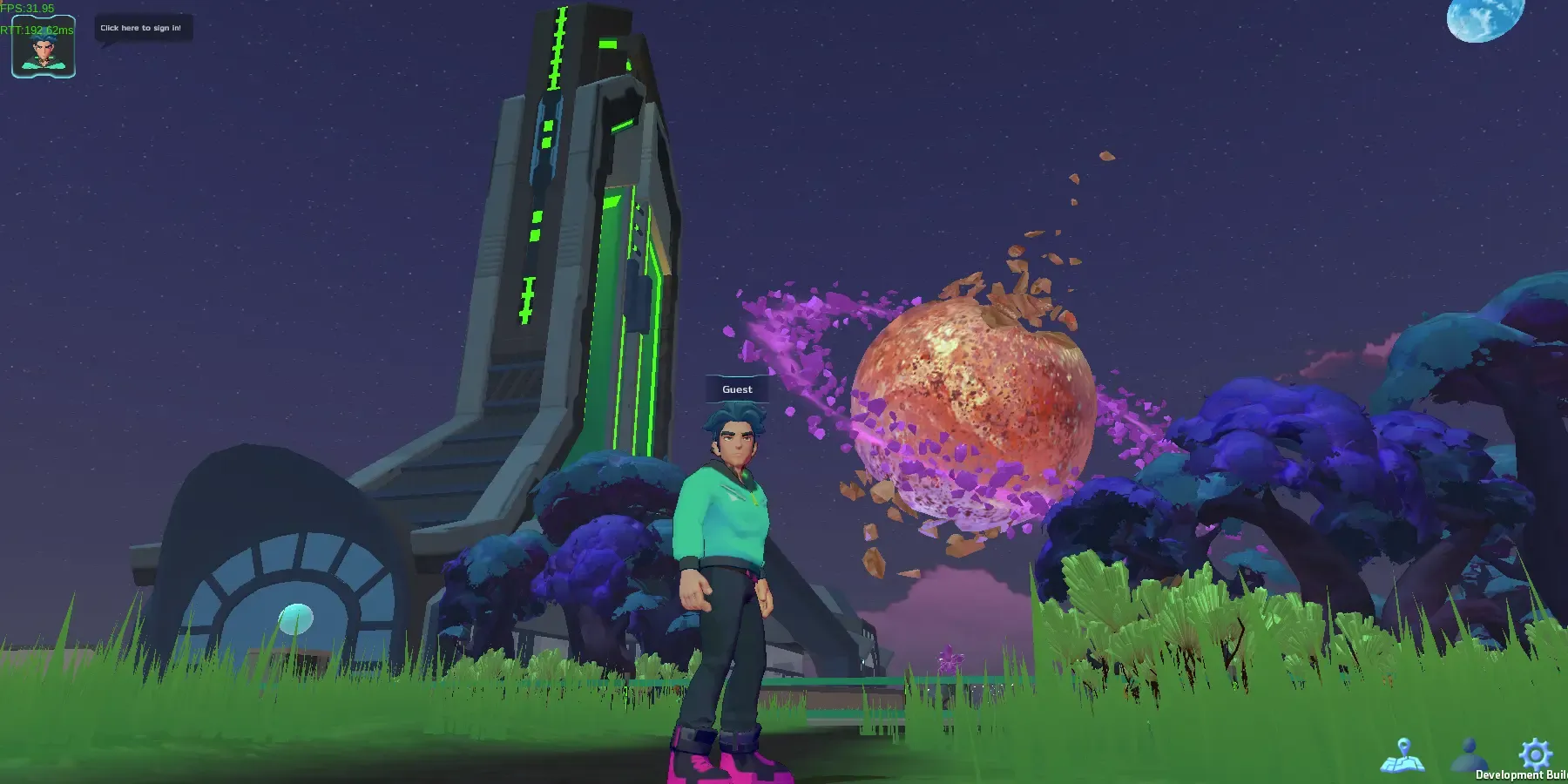
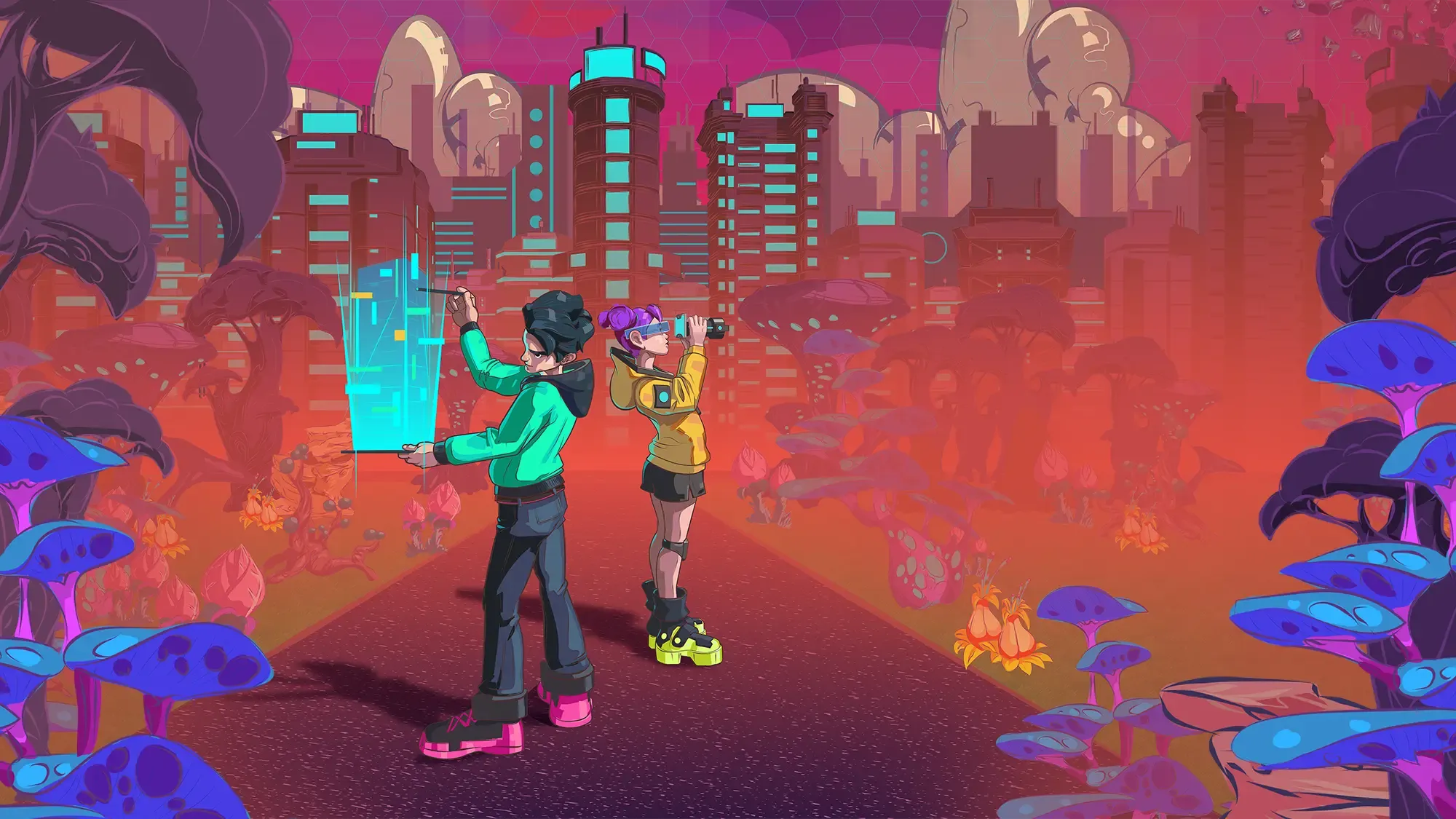
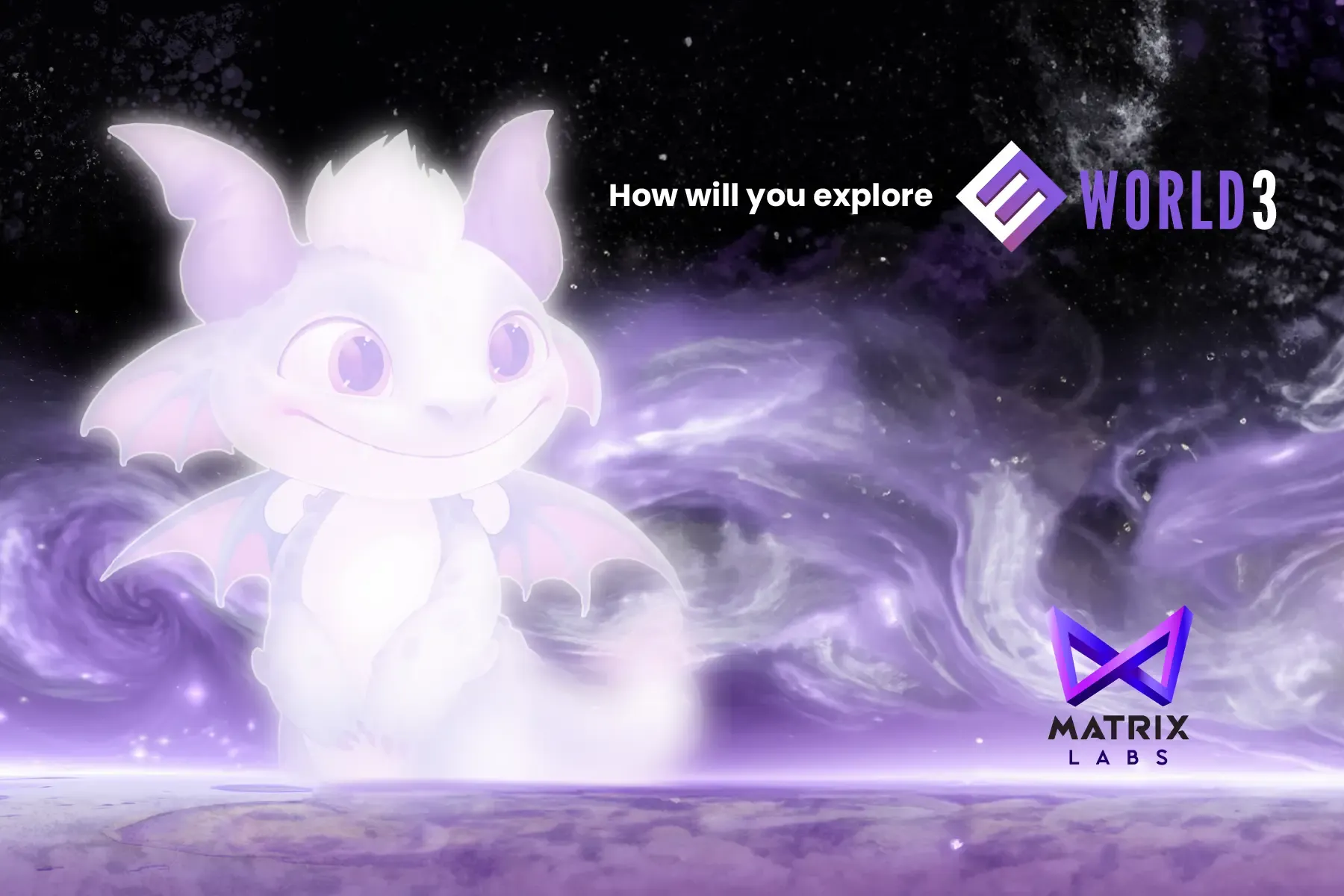
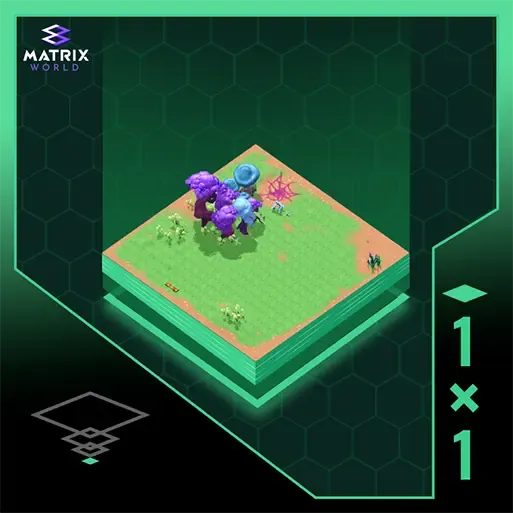
World3 was created to bring together the promise of all Web3 technologies under a central hub. It is a metaverse where users could buy property and use it to promote their games, entertainment and NFTs.
Company
Matrix Labs is a Web3 Decentralized app developer that has created various solutions for token and coin trading, NFT marketplaces, and a decentralized online world.
The Challenge
Die-hard fans of Tokens, NFTs, and AI were happy to be part of the Matrix Labs ecosystem, but the audience was small and more interested in flipping their purchases than in helping to build the larger community.
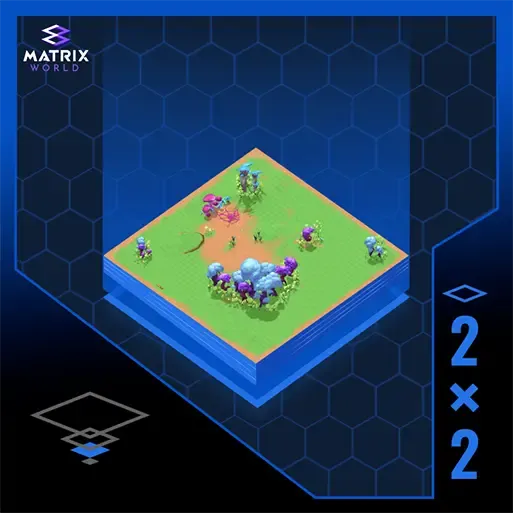
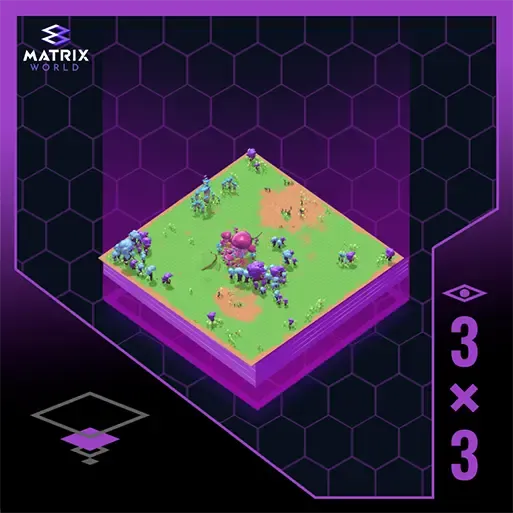
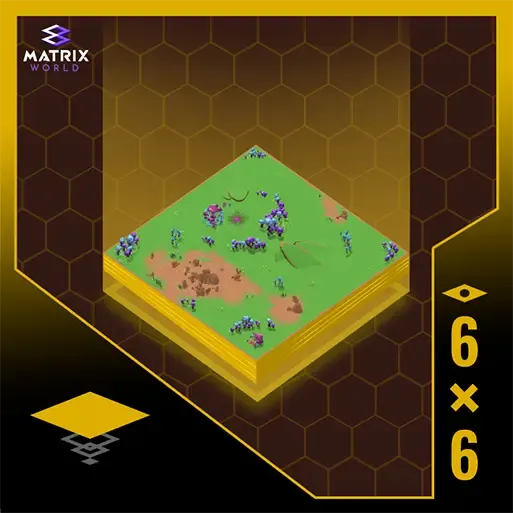
North American Web2 users were having difficulty getting involved. There was too much friction with wallets and decentralized apps, and not enough compelling products to entice them to enter the market. There was a massive culture difference around gaming.
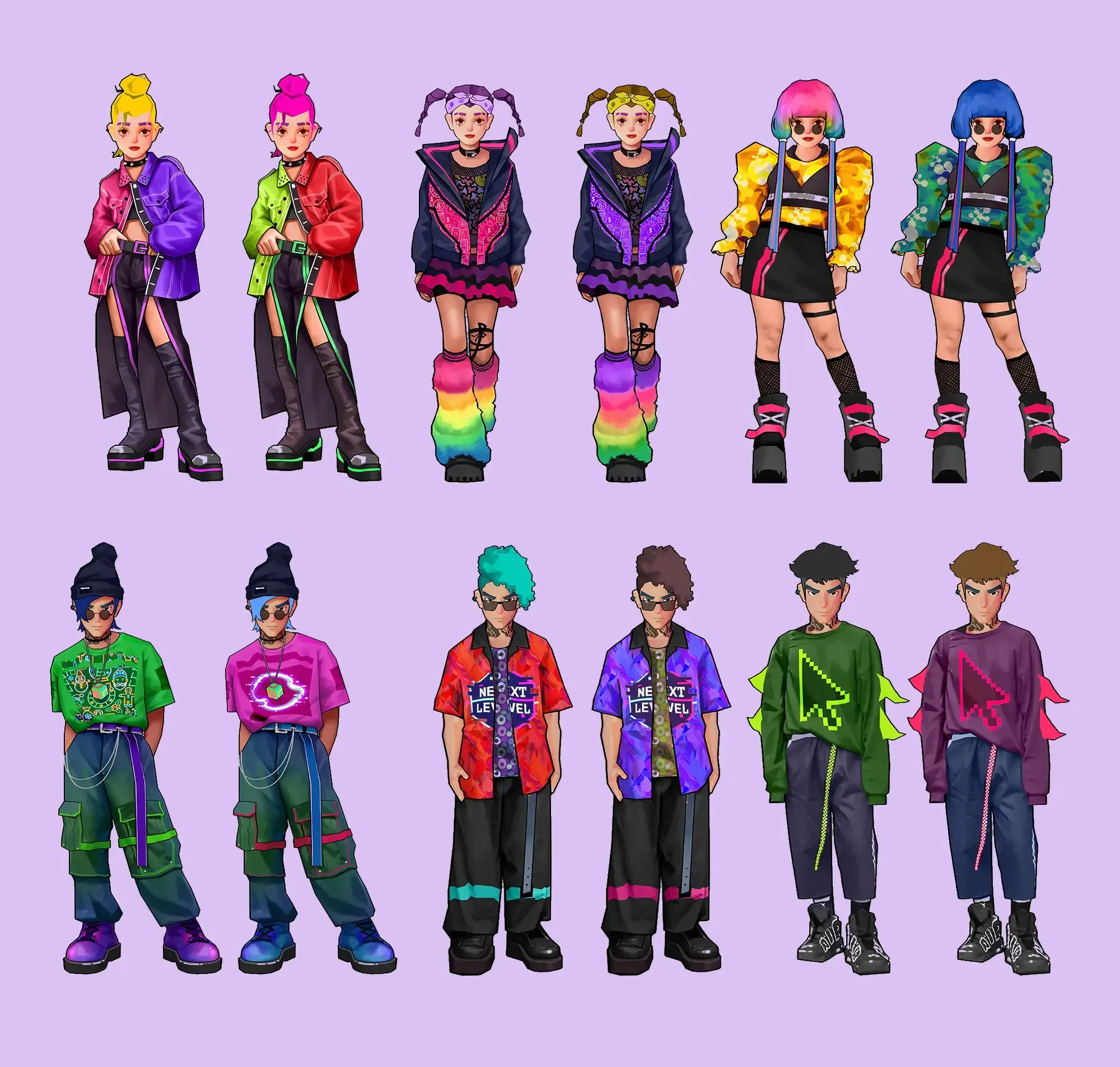
To exacerbate the problem, the entire creative team was located in China. They were having difficulty communicating what World3 was to anyone outside Asia.
Solution
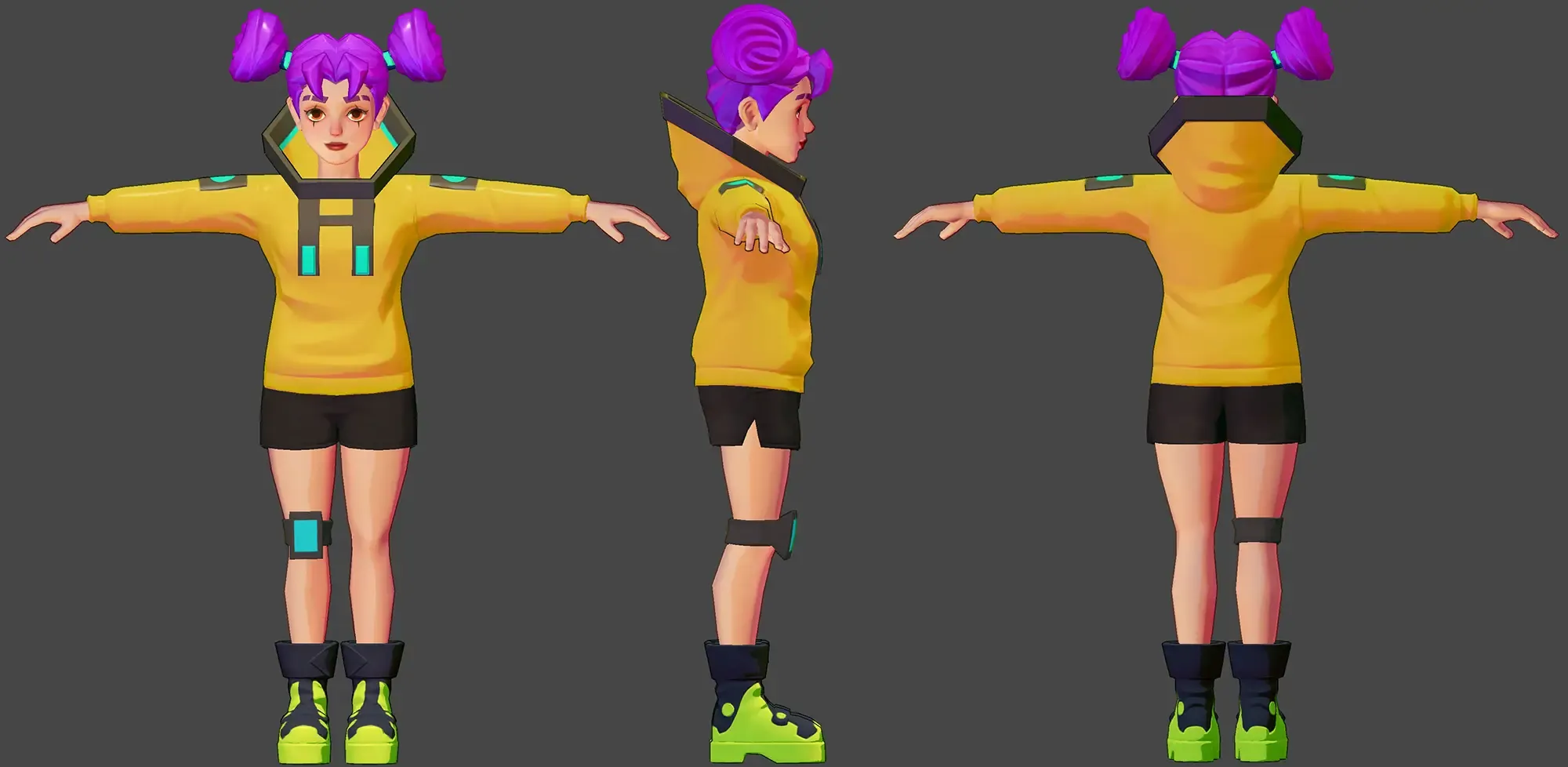
Create a bridge between Web2 users and Web3 technologies that reduces friction. Brand World3 as a destination for entertainment while reducing Web3 jargon and the difficulties users face with decentralized apps, wallets, and NFTs.
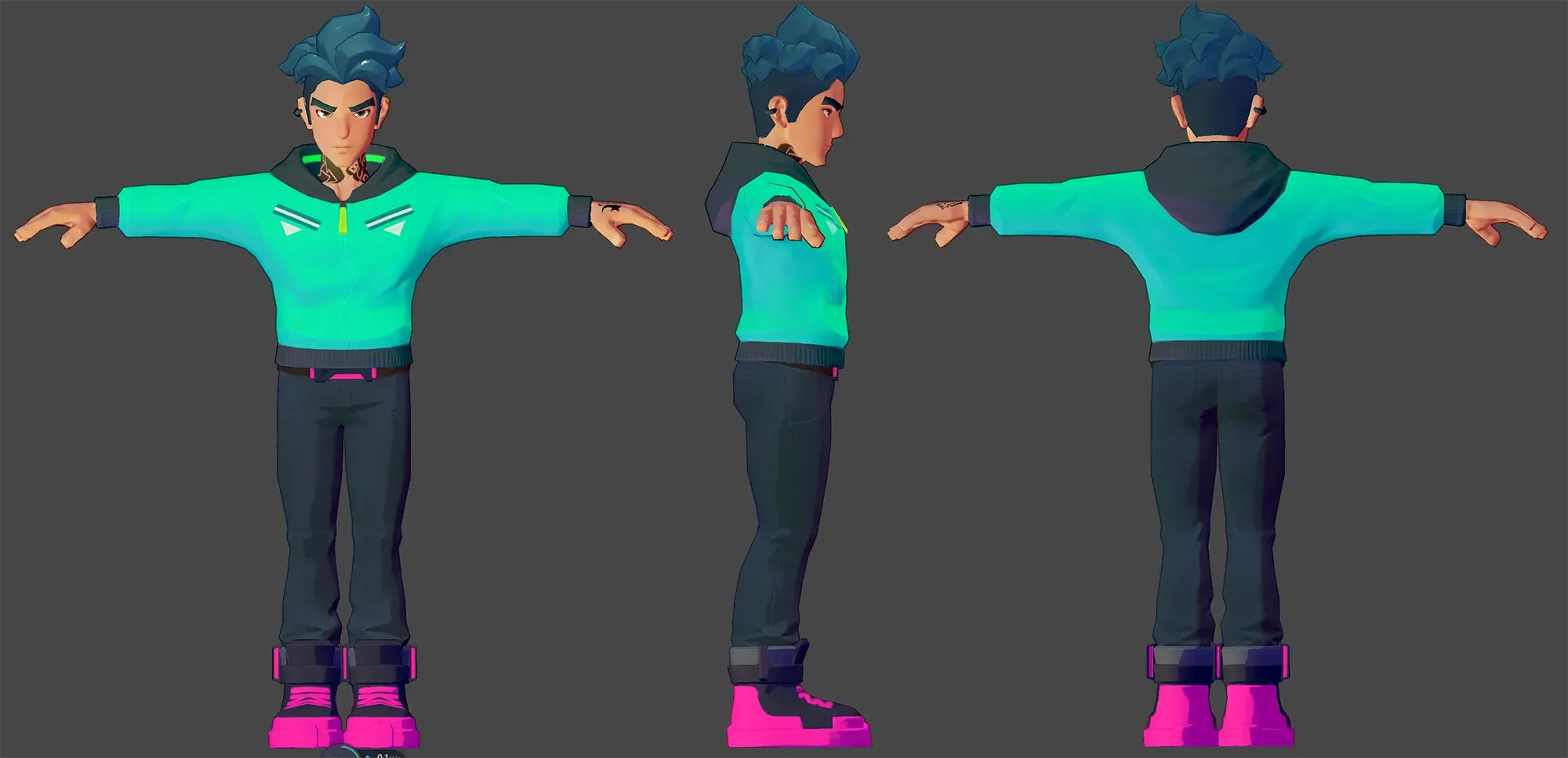
Make Web2 users the primary audience and gradually introduce them to Web3 concepts to reduce friction and help them see the benefits of being part of the World3 marketplace.
My Role
I served as Creative Director, overseeing branding, copywriting, character development, and initial World3 use-case examples.
Process
- Audit
- Create A Strategy
- Hire Team
- Prototype
- Market Test
Audit
Our first step was to understand the team's strengths and weaknesses.
Initial discovery showed that the team had high-functioning artists and programmers but no design direction, so things were being made based on a whim. Matrix Labs was built on trends rather than a defined goal. This was making their work sporadic and without purpose.
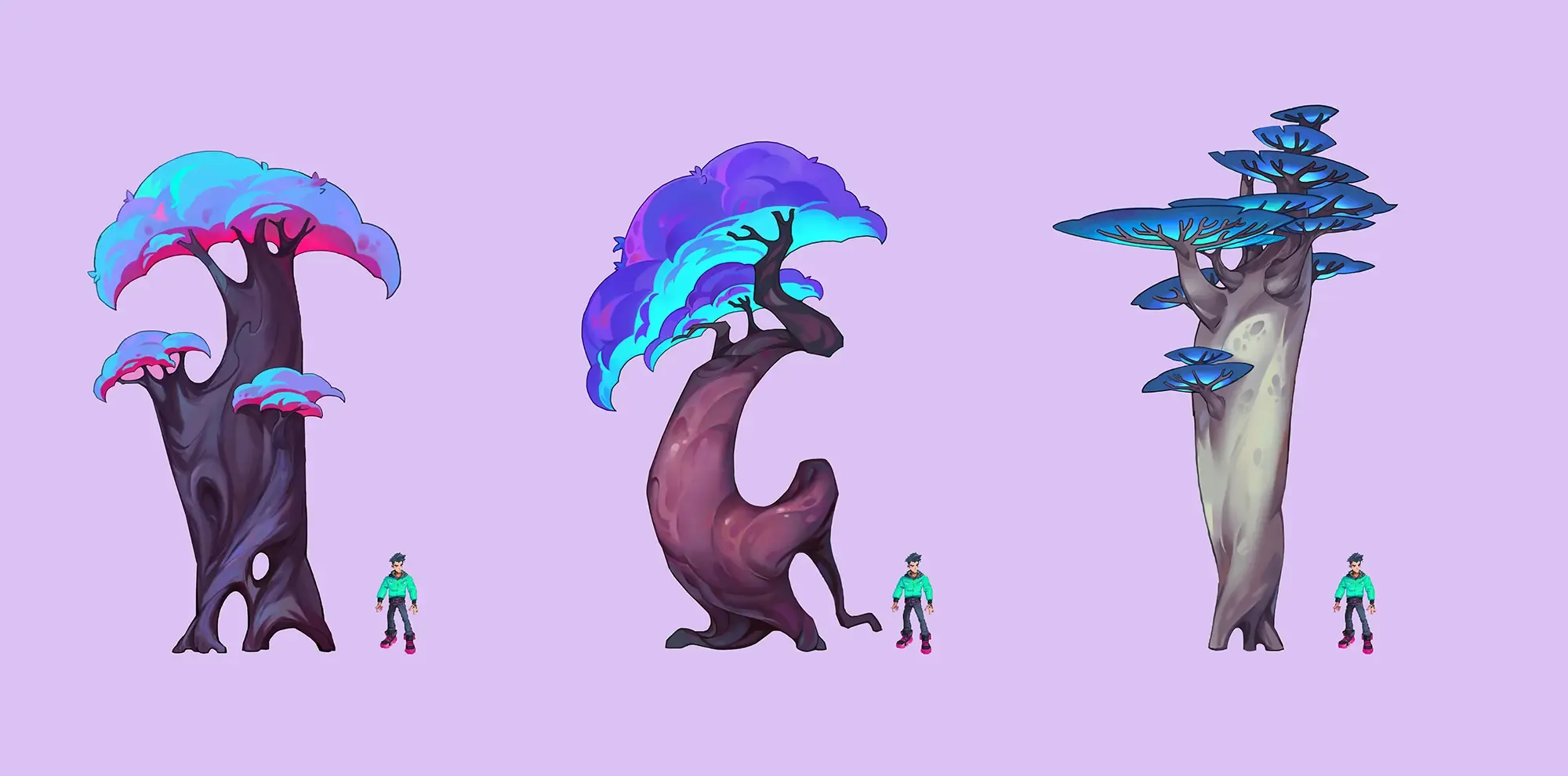
There were no leaders who understood the North American mindset about Web3. They assumed that because so many people in Asia and Eastern Europe were finding success in web3, Americans would too.
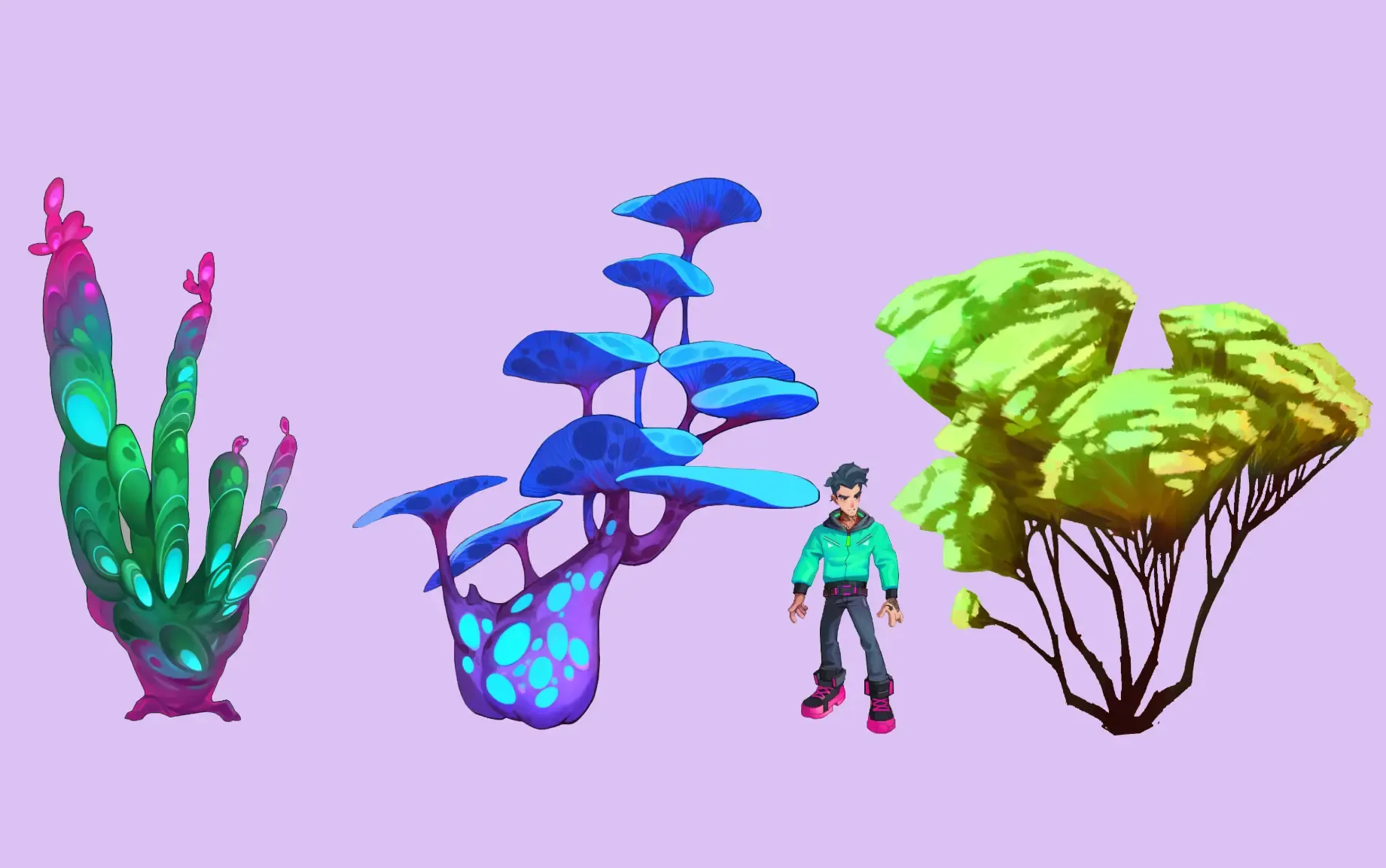
They had yet to understand that North Americans were hesitant about Web3 as they had yet to find a real value proposition.
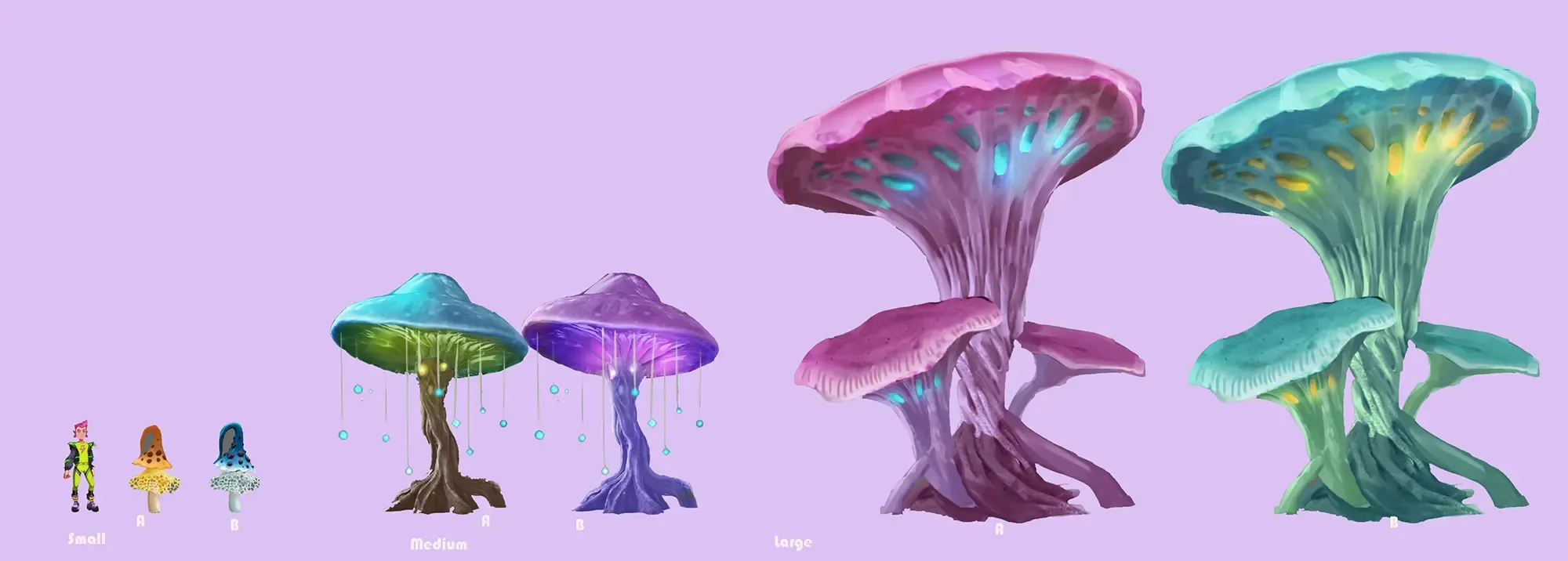
Create A Strategy
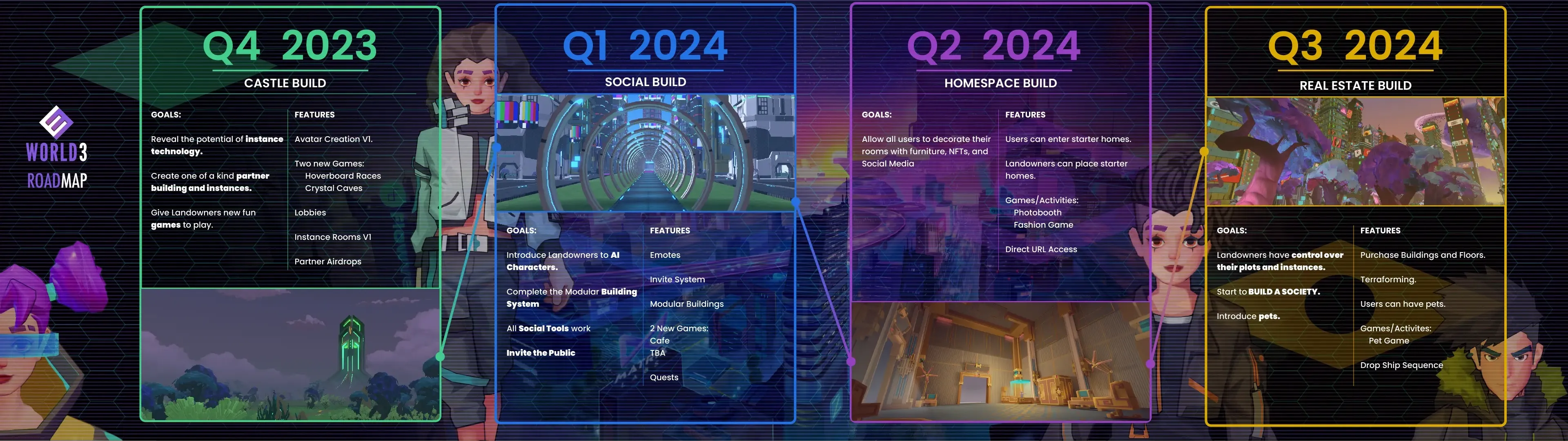
Once we understood the market problem, we set out to define a strategy.
Our competitors were creating products similar to ours, with expectations similar to ours, in the same market.
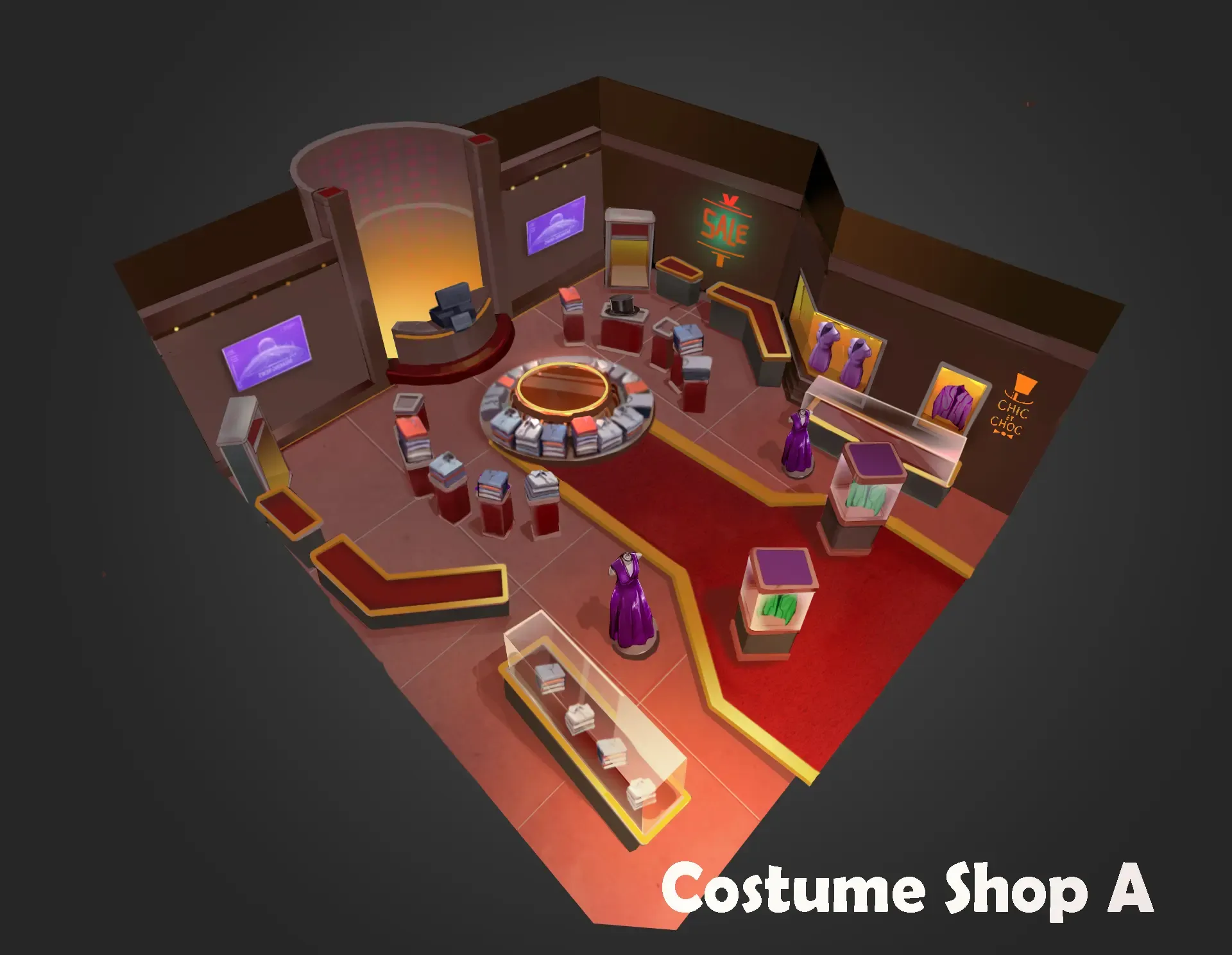
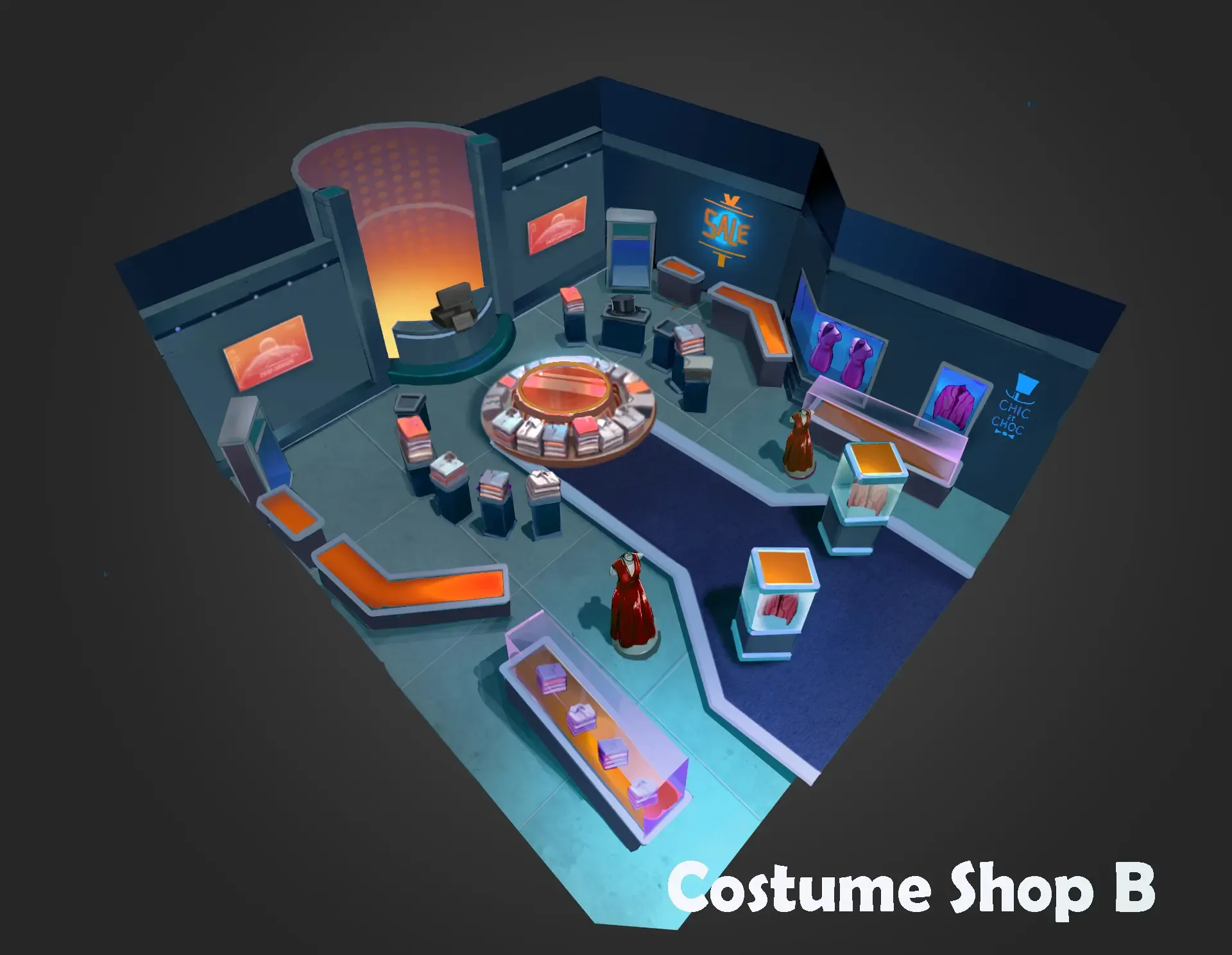
I recommended that we stop being a Web3 company and become an entertainment company that uses Web3 technology. This gave the companies' leadership insight into how they could finally build and market products for the community, rather than chasing trends that all their competitors were already pursuing.
Hire North American Team
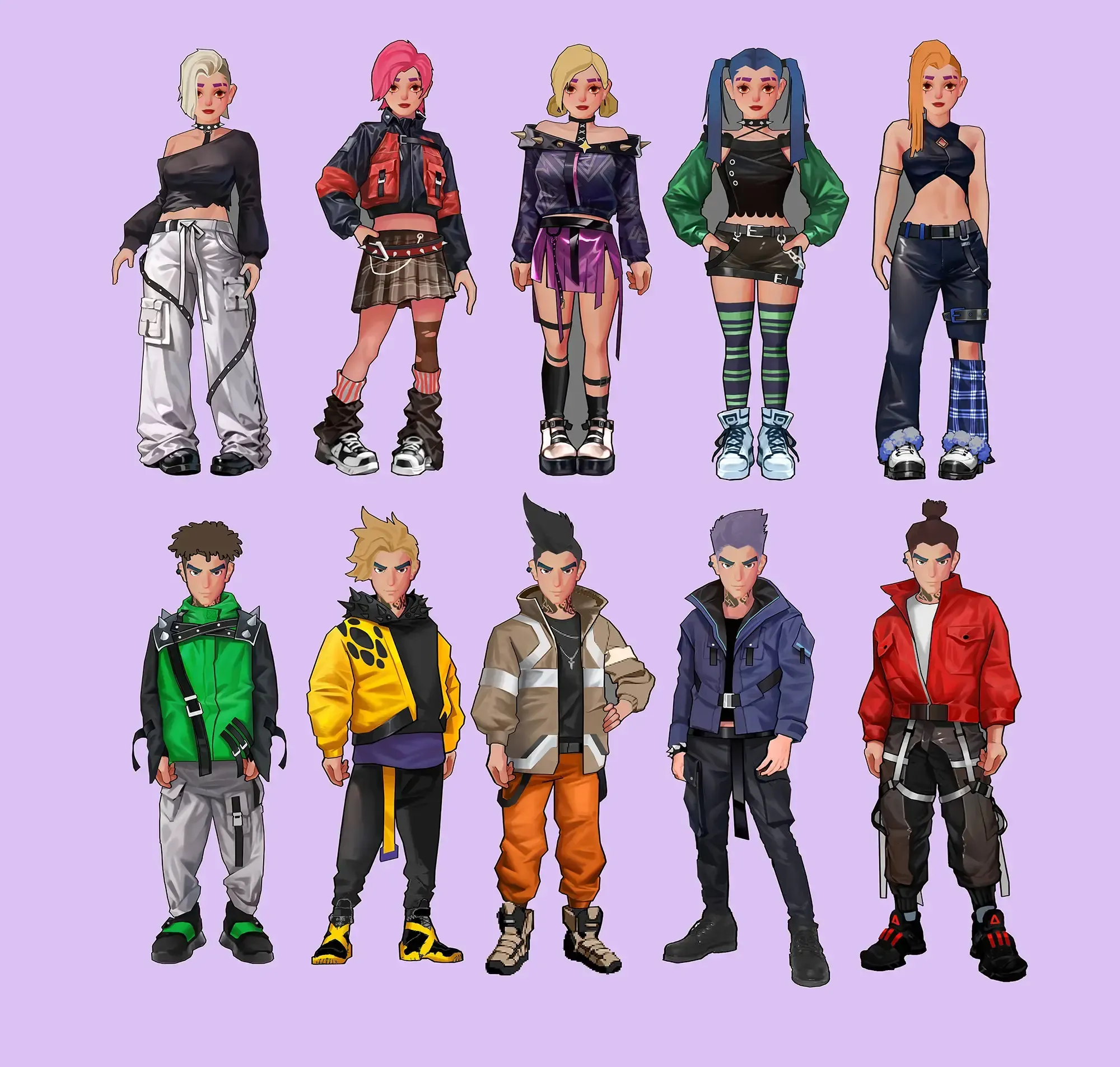
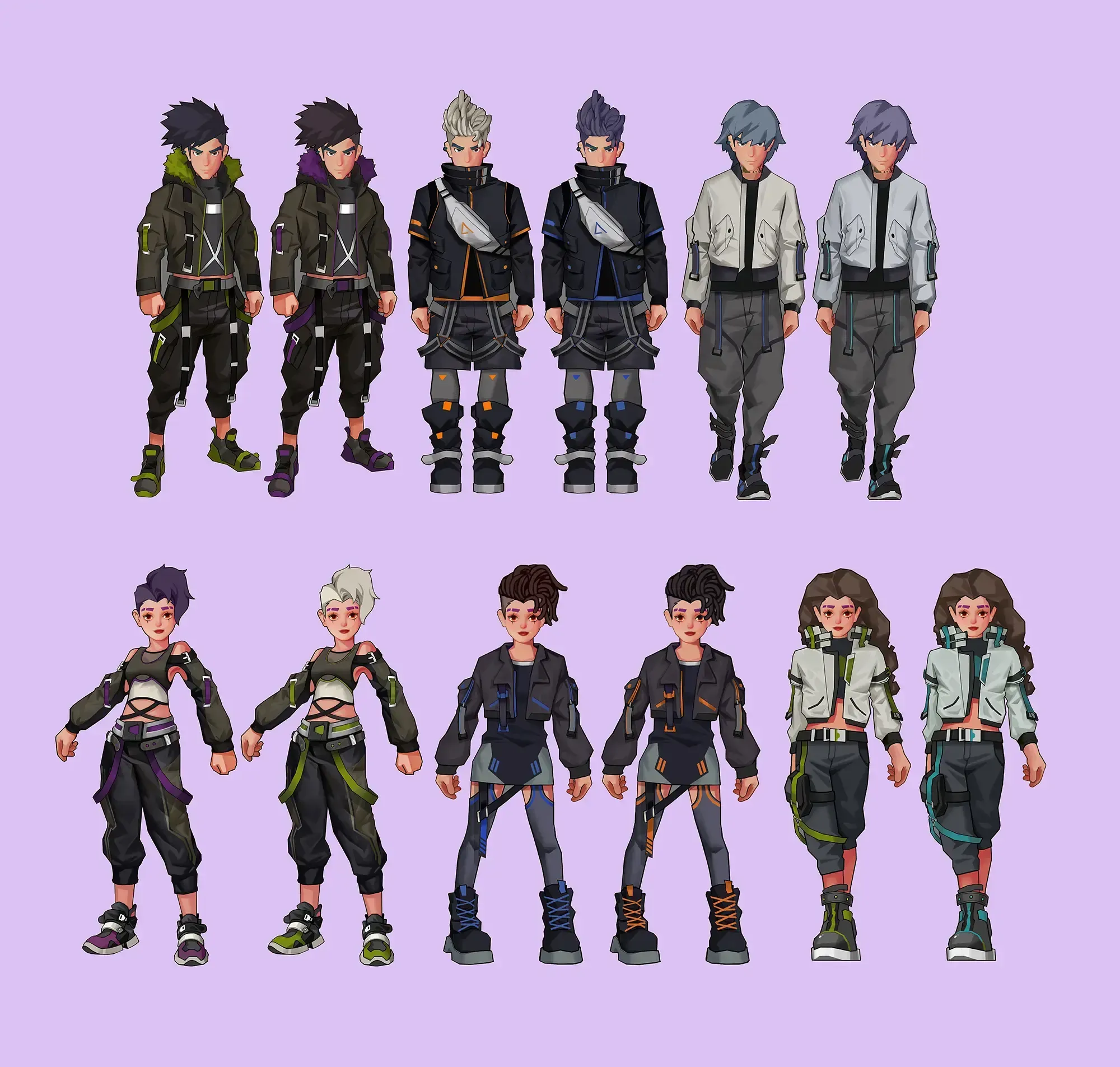
We hired a small group in Canada to lead the design and communications around World3. This fixed online communication and helped streamline partnerships with North American companies working in Web3 tech.
Prototype
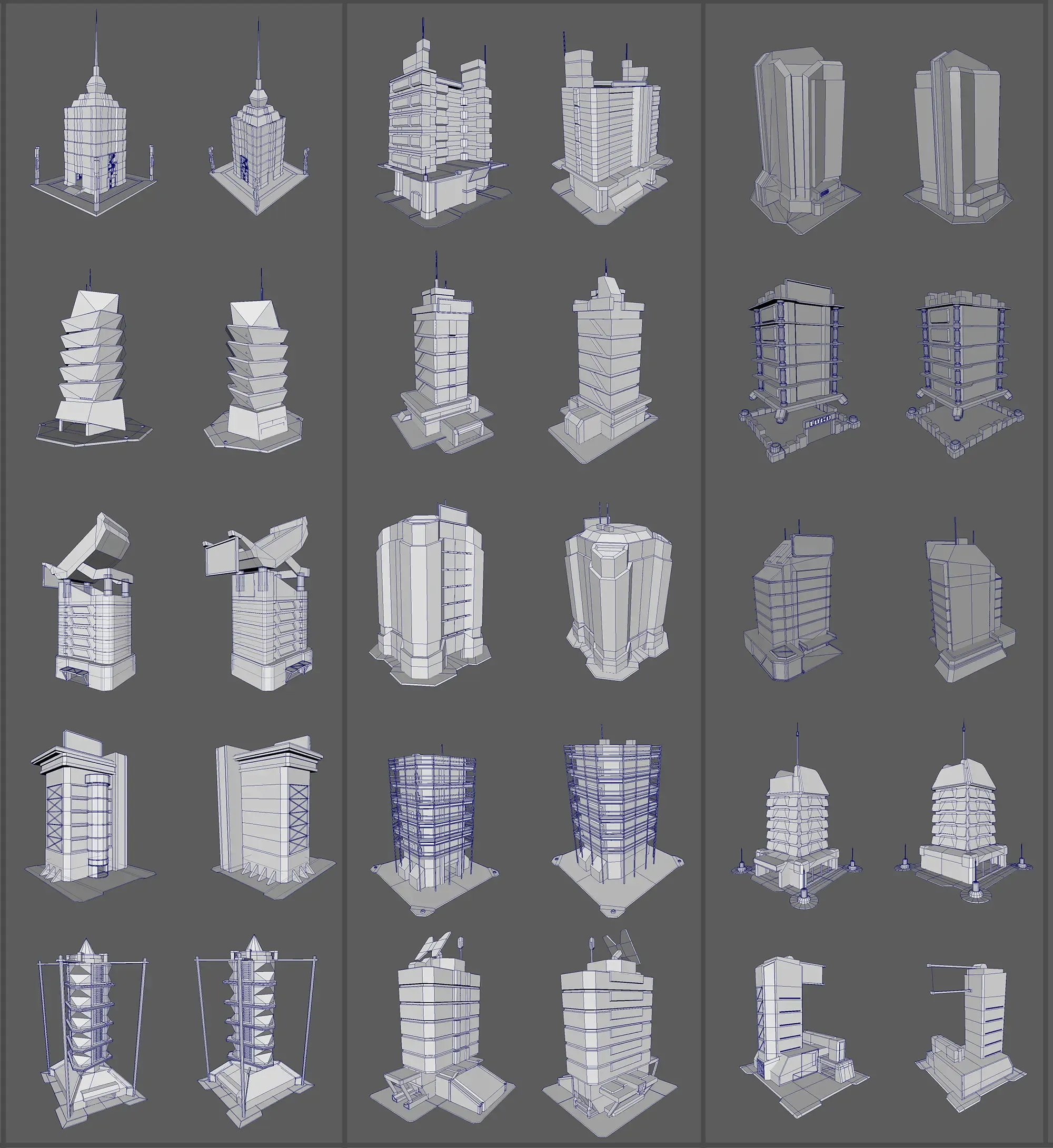
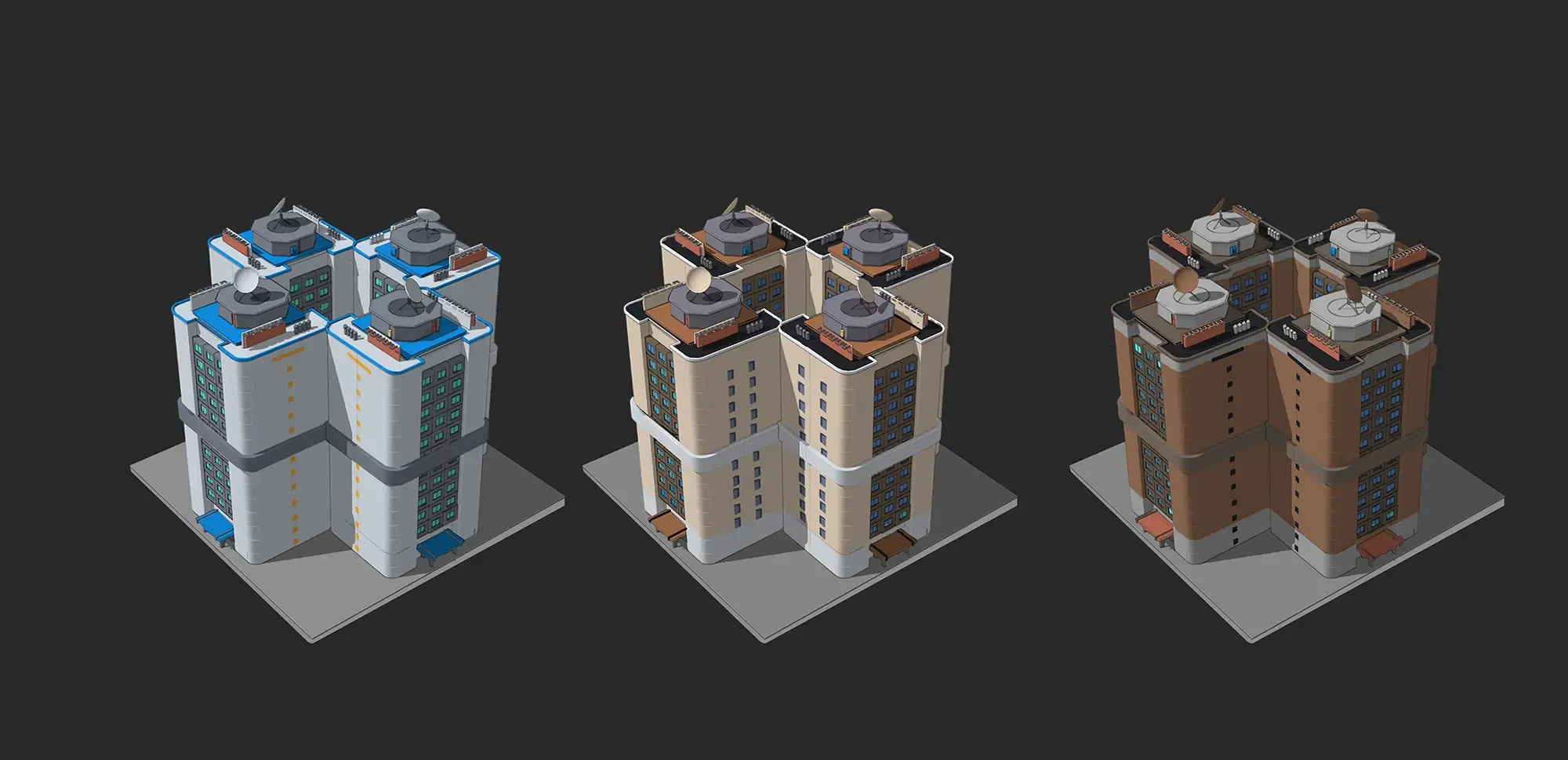
Once the team was assembled, we built prototypes of World3 in various forms, integrating NFTs, AI, and Tokens, but using tried-and-true Web2 and gaming systems to make it easy for the average user to level up in Web3 understanding.
Outcomes
With a new brand, effective communication, and a vision for entertainment, Matrix Labs attracted multiple partners to use World3 to extend their offerings.
Eventually, World3 focused on AI and agent creation for Tokens and NFTs, creating a unique entertainment product.